
Q&A
Q&A features interviews with writers, economists, social scientists, activists and other big thinkers with important perspectives on issues affecting our democracy.
 November 28, 2012What can we learn about Congress on the playground? Can our representatives work together — or do they need a giant time out?
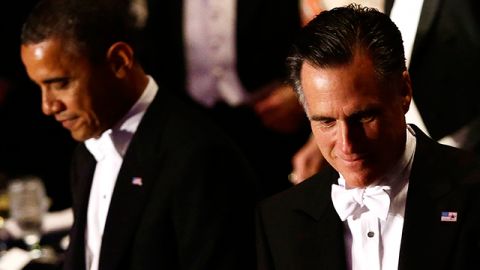 November 9, 2012Nick Nyhart, CEO of Public Campaign, argues we need to "get the small money in, and the big money out" of our campaign finance system.
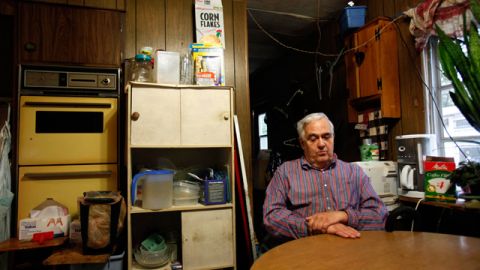 October 31, 2012The Nation's Greg Kaufmann describes America's poverty problem, how it's being ignored, and what everyone should be doing about it.
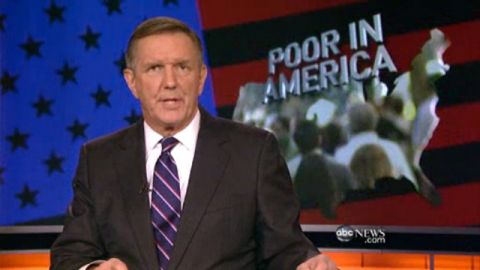 October 11, 2012Steve Rendall of Fairness & Accuracy in Reporting explains why poverty "doesn't register with journalists."
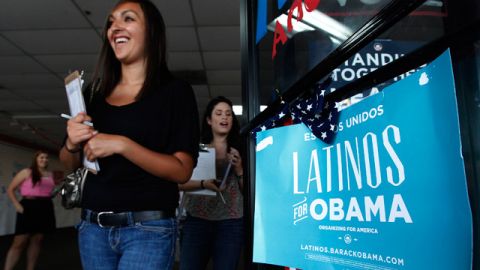 October 5, 2012With more Latinos expected to vote this year than ever before, pollster Sylvia Manzano explains what might drive their decisions.
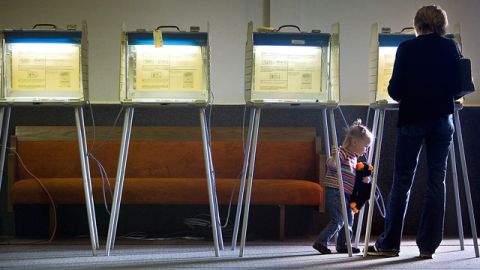 September 25, 2012Richard Hasen, author of the Election Law Blog, discusses truths and exaggerations on both sides of the voting rights debate.
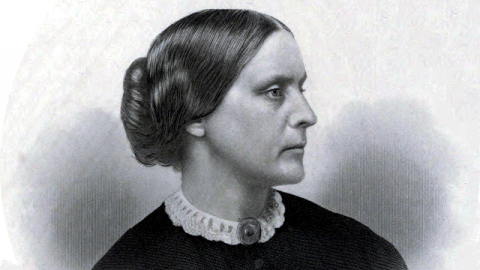 September 21, 2012How a pro-life political action group appropriated the name of the famous women's rights leader.
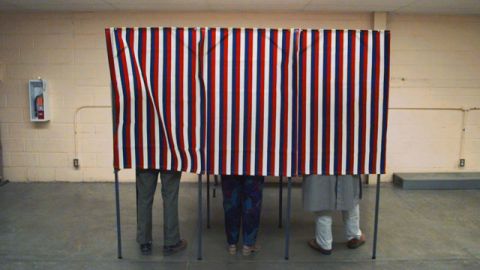 September 6, 2012Moral psychologist Jonathan Haidt offers his take on morality vs. strategy in the voting booth.
 August 29, 2012The Sunlight Foundation's Liz Bartolomeo talks about the dark money dealers who hosted Tampa's velvet rope events.
 August 24, 2012Mattea Kramer, author of A People's Guide to The Federal Budget, analyzes recent budget proposals and the federal budget process itself.










