
Moyers Moments
“Moyers Moments” are short, curated video clips from both classic and new Moyers broadcasts that are so memorable and meaningful that they deserved to be called out, enjoyed, and easily shared.
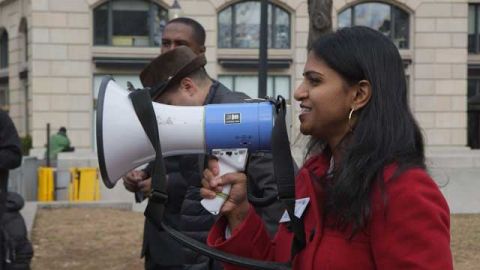 April 8, 2014Watch clips from Bill's interview with the activist fighting the National Restaurant Association to get wages beyond their current level of $2.13 per hour.
 January 28, 2014Pete Seeger, who has died at age 94, will be remembered as a musician and activist who used his spirited voice to inspire political and social change. Watch his performance for Bill in 1994.
 July 19, 2013"To think and talk about African-Americans as criminal is encoded deeply in our DNA” and is important to connecting the dots in Ferguson, Staten Island and elsewhere.
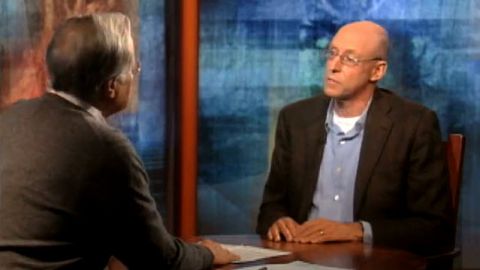 June 30, 2013In this 2008 Moyers Moment, author and food activist Michael Pollan recommends a new way of thinking about school lunch -- economically, nutritionally and politically.
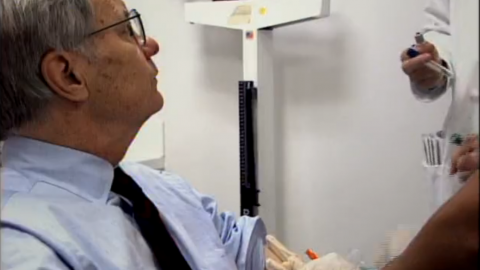 May 17, 2013In this 2001 Moyers Moment, Bill gets his blood tested to find out just how pervasive industrial chemicals are.
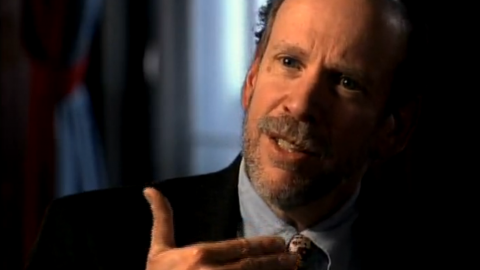 May 17, 2013Two public health historians reveal how the vinyl chloride industry published misleading research to keep employees from knowing they were being poisoned.
 May 3, 2013Singer, song leader, civil rights activist and scholar describes how music helped demonstrators show solidarity and claim the agenda during the civil rights movement.
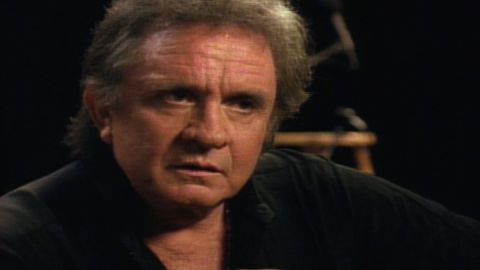 May 3, 2013The legendary singer tells Bill what the song "Amazing Grace" means to him.
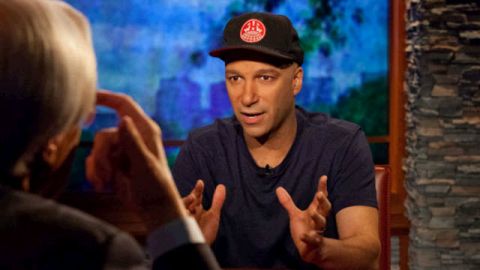 May 3, 2013The former Rage Against the Machine guitarist discusses the role of music in political protest.
 May 3, 2013In this 1994 Moyers Moment, the folk singer -- who turns 94 today -- reflects on the role his music played throughout American history.










